
Menopause & Cardiovascular Health
You may be aware that Cardiovascular Disease (CVD) is the term used to cover a variety of diseases that affect the heart or blood vessels such as coronary heart disease, stroke, and heart attacks. But were you aware that CVD is the no1 killer of post-menopausal women in the UK? According to the Heart Research Institute UK, CVD kills twice as many women as breast cancer – with around 77 women dying from a heart attack every day in the UK!
What’s menopause got to do with it?
As our bodies adapt to the change of hormone levels post menopause, many typical symptoms settle down which is good news. However, there are a few areas that we do need to focus on specifically post-menopause such as bone and heart health.
After the menopause the elasticity of our arteries and other blood vessels decline and this can lead to the blood vessels becoming rigid and making them less responsive to changes in blood flow. This is because oestrogen has a protective and positive effect on the walls of our blood vessels, helping to keep them flexible and healthy. Therefore, pre-menopause the oestrogen in our bodies provides us with some protection, but post menopause our risk of CVD increases.
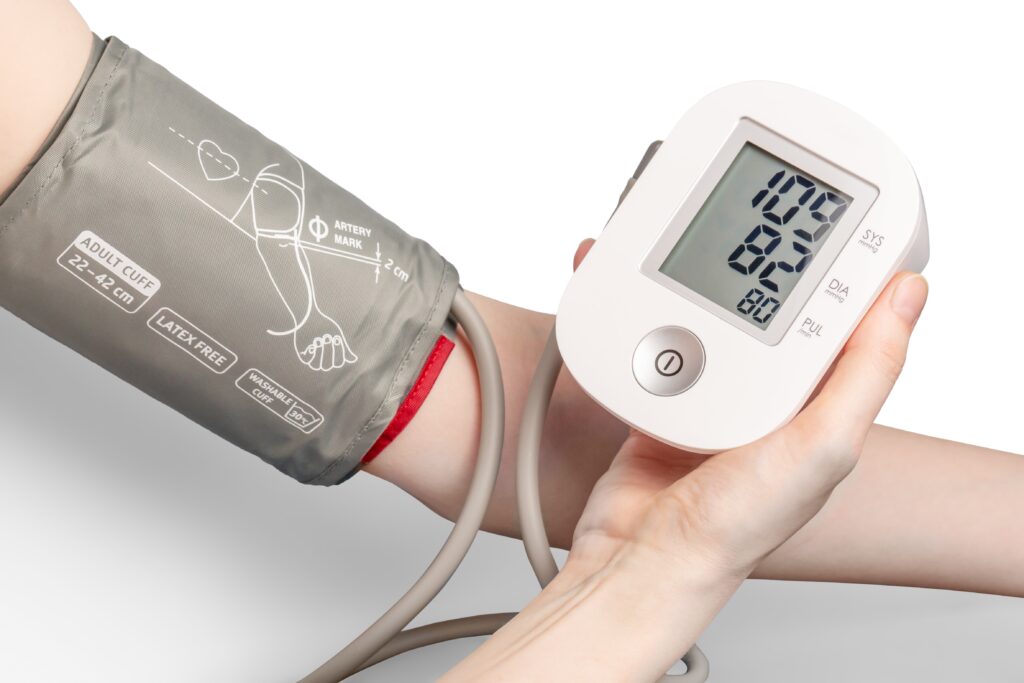
Two key areas to consider are blood pressure and cholesterol levels, which is why you should always get these checked out with your GP, although many pharmacies now offer blood pressure checks free of charge. Early detection is very useful as symptoms are often invisible. However, we can also support our CV health ourselves by managing stress, getting good quality sleep and with a healthy diet.
So what can I do?
Manage Stress – we can’t avoid all stress and let’s face it, the stress response is a natural in-built biological response to threats – it keeps us safe when in danger.
But the problem in today’s world is that we are subjected to a series of “perceived” mini-stressors from the moment we wake up. Your body doesn’t recognise whether your “stressor” is because you’re about to be eaten by a wild animal or because your train has been cancelled – it responds in the same way.
Long term chronic stress and menopause lead to increased abdominal fat deposits which lead to the secretion of inflammatory substances promoting insulin resistance, metabolic syndrome and cardiovascular complications. These substances also impact our immune function reducing our resistance to infections. All of which increases our risk factors for increased cholesterol, hypertension, diabetes, obesity and CVD.
Consider: meditation, breathing techniques, practicing gratitude/appreciation, avoid excess caffeine & stimulants, build a good community/social support, Cognitive Behavioural Therapy (CBT).
Sleep – as a society we’re getting less sleep than our grandparents did and many menopausal women experience impaired sleep patterns. Insomnia and poor sleep have been linked to high blood pressure, higher stress, inflammation and when tired, we’re more likely to reach for carbohydrate-rich foods for a quick energy boost leading to metabolic issues – all a perfect storm for CVD.
Consider: a good sleep routine, avoid blue light from screens 1 hour after waking & 2 hours before bedtime, avoiding stimulants in the afternoon, try a gentle stretch before bed, use a a journal to jot down all those “thoughts” in your head, balance your blood sugar throughout the day and a try a relaxing Epsom Salt bath before bed.
HRT – at the time of writing, there are some suggestions that HRT may be beneficial for cardiovascular health due to the protective factors of oestrogen. However, the evidence isn’t clear yet, so it’s important that regardless of whether you take HRT or not, you take practical steps to support your own health.
Consider: talk to your GP or health practitioner for up-to-date advice on HRT & your health.
What else can I do?
Your heart is a muscle so it needs exercising, so you need to do something that gets your heart rate up.
Consider: speed walking, jogging/running, rebounding, fast swimming or even some energetic sex!
We eat food every day, so what a perfect opportunity to support your cardiovascular health on a daily basis.
We know that Mediterranean diets have been shown to be very heart-supportive, they are generally high in whole foods, low in processed foods and high in healthy fats.
Consider: eating omega 3 fat – SMASH – sardines, mackerel, anchovies, salmon and herrings. Olives and olive oil.
Plant sterols are natural compounds found in plants that look and act like cholesterol. These compounds compete with our cholesterol for absorption, helping us reduce cholesterol levels by limiting the amount we can absorb and enabling excess cholesterol to be removed in our waste and out of the body.
Consider:
Vegetables – broccoli, Brussels sprouts, cauliflower, tomatoes
Fruits – apples, avocado, blueberries, pomegranates
Legumes – beans, lentils, peas
Nuts – almonds, pecans, walnuts
Seeds – pumpkin, sesame, sunflower
Wholegrains – brown rice, oats, wholewheat
Probiotics have also been shown to reduce total cholesterol, LDL and triglycerides, so include sources of fermented foods in your diet.
Consider: full-fat natural Greek yoghurt, apple cider vinegar, kefir, sauerkraut, kimchi, miso and kombucha.
So whilst the headlines about CVD for women may sound scary, there is a lot we can do ourselves to minimise our risk factors. So ensure you know your numbers from testing and if you require some personalised additional support do just get in touch.